Get Started


Medical Inventory, built around how you actually work
Medical Inventory that lets you keep levels accurate across every location. Runs on the data you already have. Role-based access included.

Build secure app fast



Build secure app fast
.jpeg)
Connect to Your Existing Inventory or ERP Database
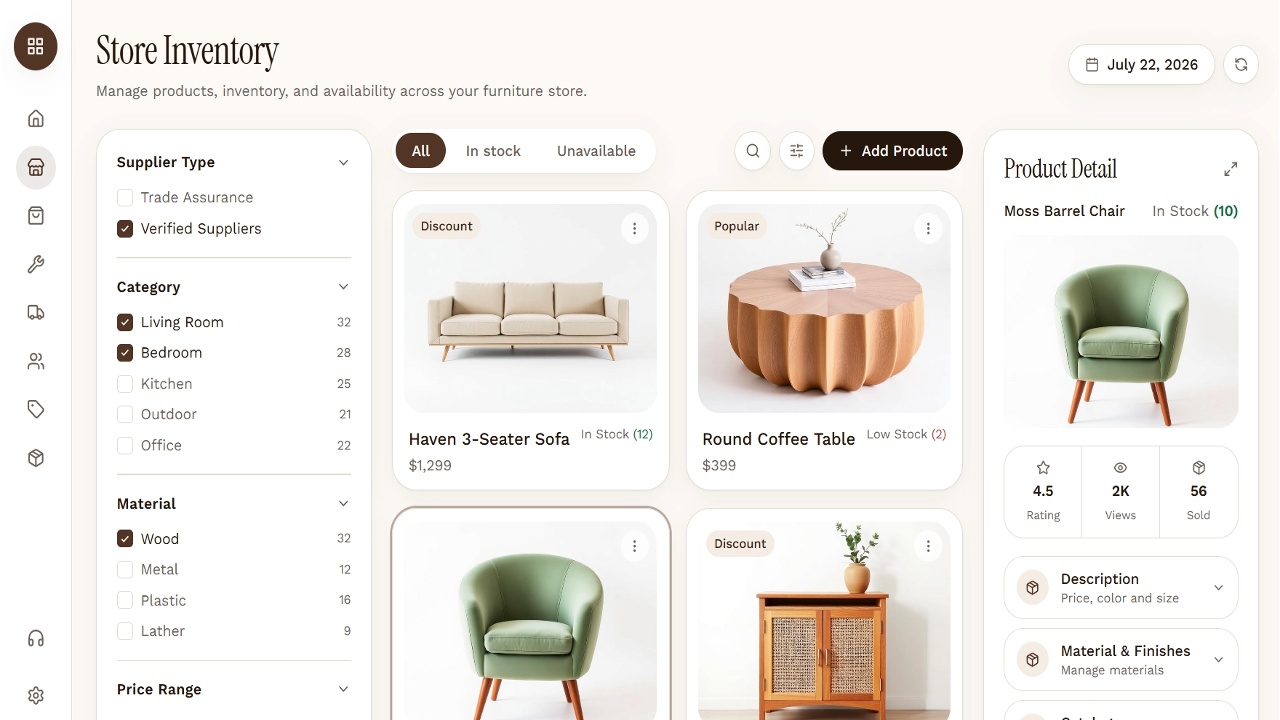
Jet Admin connects directly to Postgres, MySQL, MongoDB, or any REST API — so your inventory app sits on top of the database you already use. No need to re-enter product data, migrate records, or keep two systems in sync.
.jpeg)
Bulk Edit and Mass Update Stock Records
Adjust stock levels, update prices, or change supplier details across dozens of records simultaneously with inline bulk editing — something form-based no-code tools can't match. Jet Admin's table views give your ops team full spreadsheet-like control.
.jpeg)
Granular Roles for Warehouse, Ops, and Suppliers
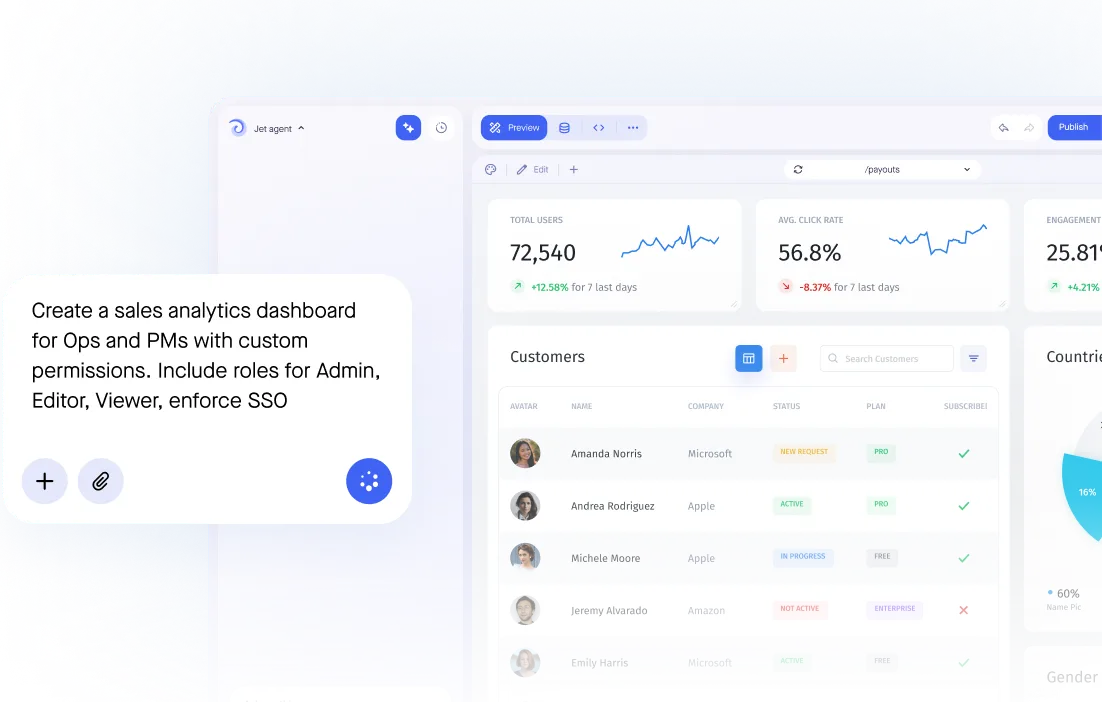
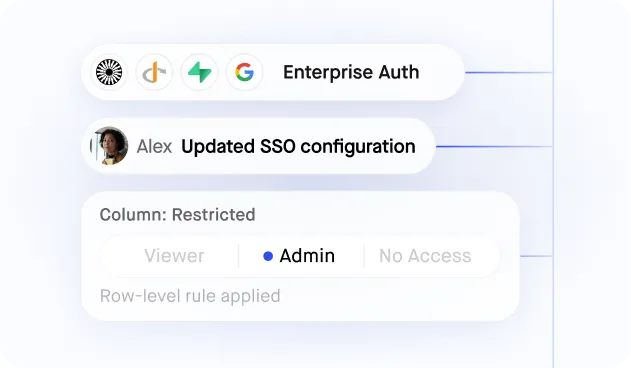
Create separate views and permission sets for warehouse staff (view/update stock levels), ops managers (full CRUD plus reports), and external suppliers (view their own orders only) — all running off the same dataset with zero data duplication.
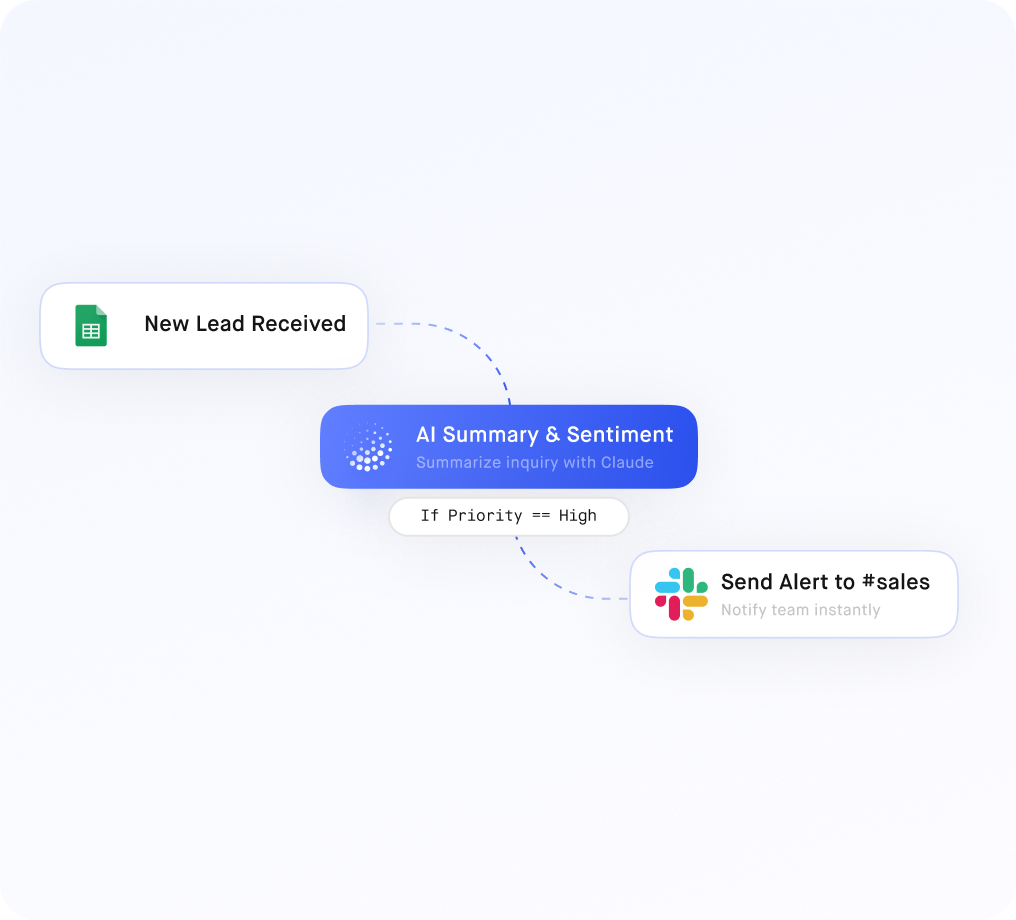
Real-Time Low Stock Alerts and Reorder Triggers
Set threshold-based alerts on any field in your inventory database. When stock falls below the defined level, trigger automated notifications to procurement — directly from your data, without building a separate alerting pipeline.
.jpeg)
SQL-Powered Search and Filtering at Scale
Jet Admin's query builder lets your team filter and search inventory across millions of SKUs using the full power of your SQL database. No limits on catalog size, no slow API calls — just fast, direct database queries with a clean UI.
Similar Use Cases
No items found.
































.png)









.png)

.png)





.svg-min.png)



Frequently asked questions
What is medical inventory software?
Software that tracks clinical supplies with the lot and expiry detail that medical stock requires. The count is the easy part; knowing which lot went where is what matters when a recall lands.
Does it track lot numbers and expiry?
Yes, at the unit level. Expiry drives the picking order and the alerting, so short-dated stock surfaces before it is written off rather than after.
Can we respond to a recall?
Yes. Because receipts and issues are recorded against lot, you can answer which lots you hold, where they are and which were already used — which is the question a recall notice actually asks.
Can different departments hold their own par levels?
Yes. Each ward, theatre or clinic can carry its own par levels and replenish against them, while central supply sees the whole picture.
Can it run on our own infrastructure?
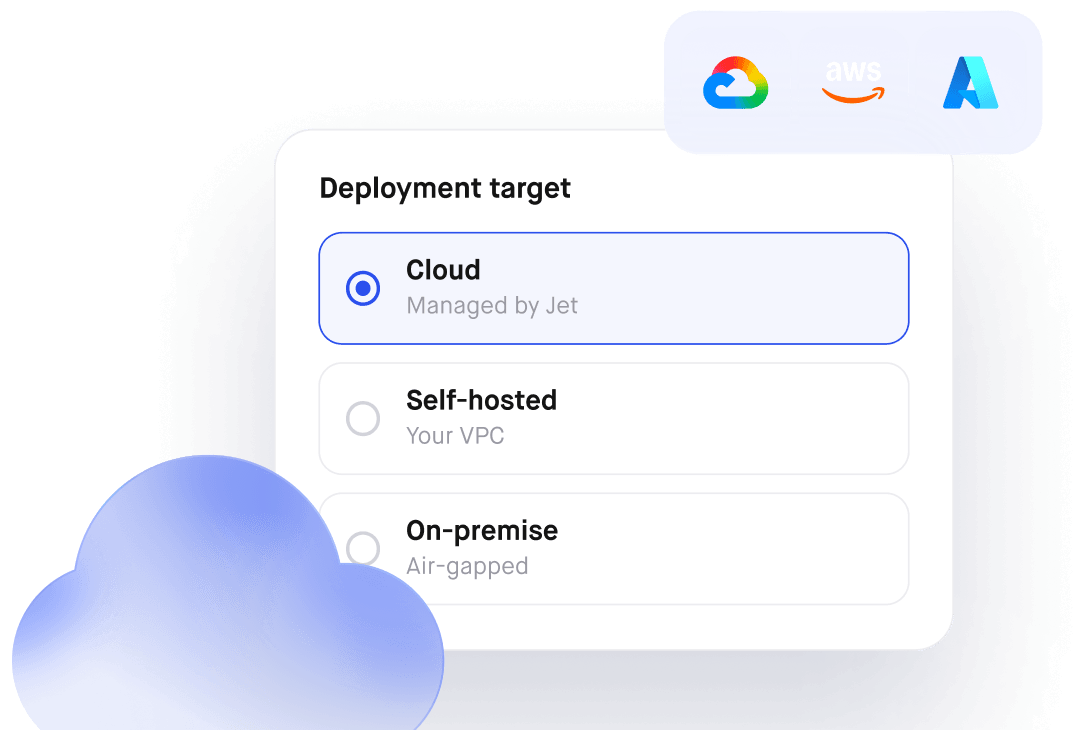
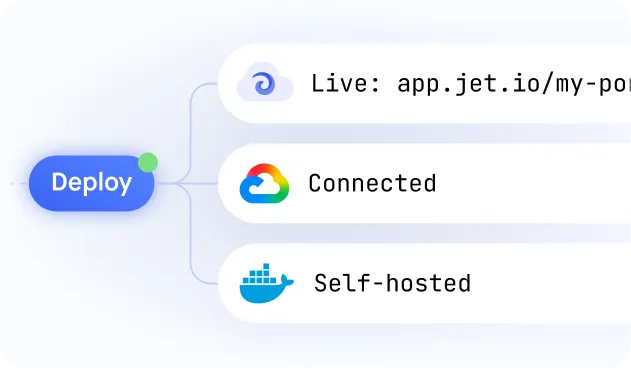
Yes, in your own VPC or on premise. For clinical data this is usually the requirement that decides the tool rather than a preference.