Get Started


Hospital Inventory on the database you already run
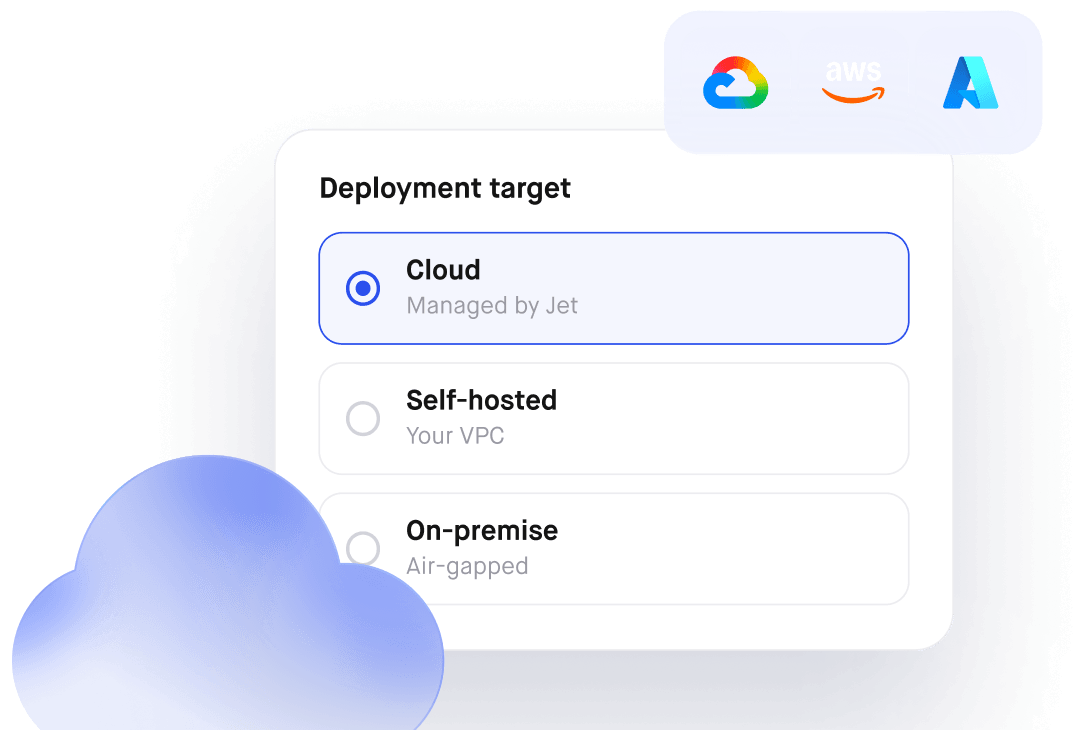
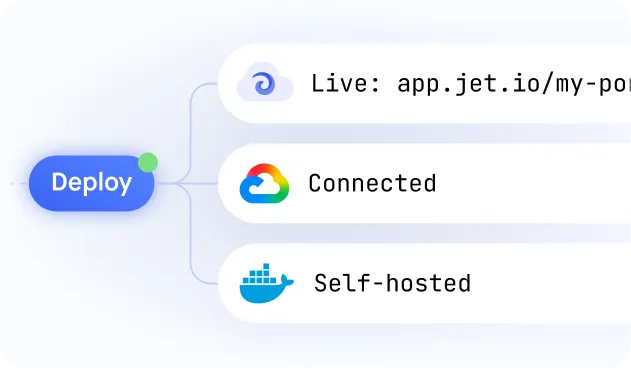
Hospital Inventory that lets you keep levels accurate across every location. Connect your database. Control who sees what. Self-host it.

Build secure app fast



Build secure app fast
.jpeg)
Connect to Your Existing Inventory or ERP Database
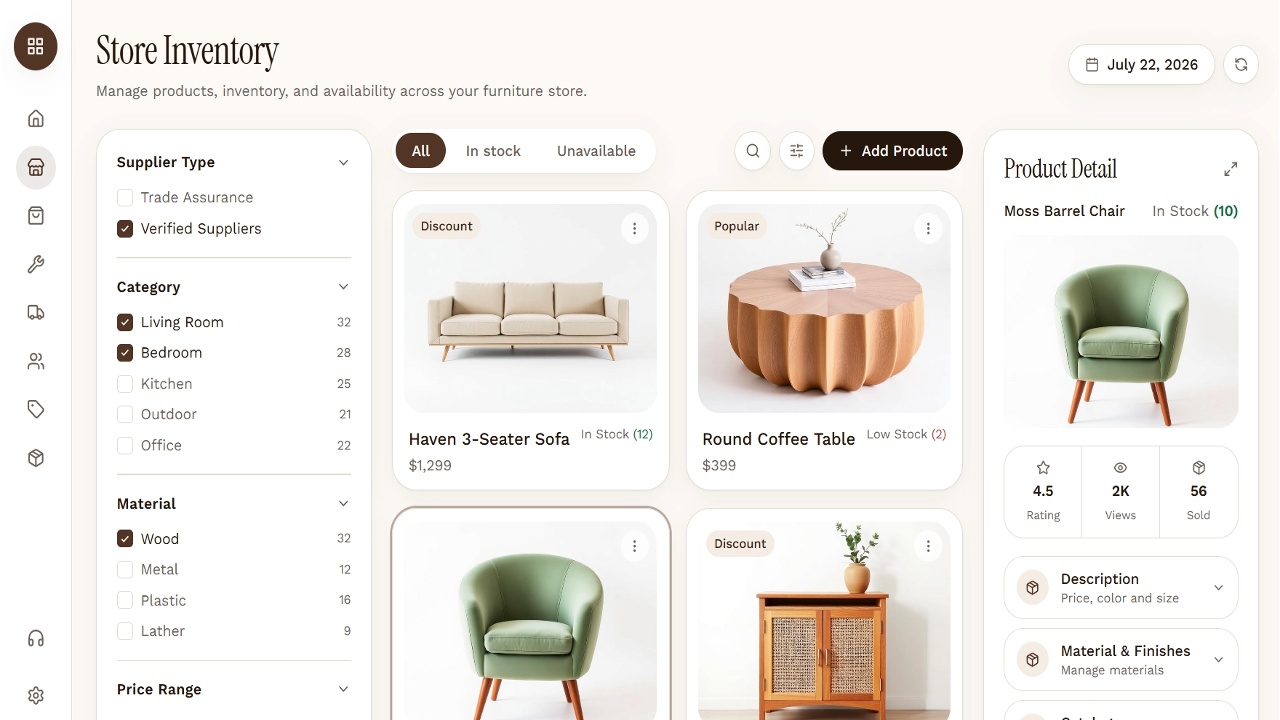
Jet Admin connects directly to Postgres, MySQL, MongoDB, or any REST API — so your inventory app sits on top of the database you already use. No need to re-enter product data, migrate records, or keep two systems in sync.
.jpeg)
Bulk Edit and Mass Update Stock Records
Adjust stock levels, update prices, or change supplier details across dozens of records simultaneously with inline bulk editing — something form-based no-code tools can't match. Jet Admin's table views give your ops team full spreadsheet-like control.
.jpeg)
Granular Roles for Warehouse, Ops, and Suppliers
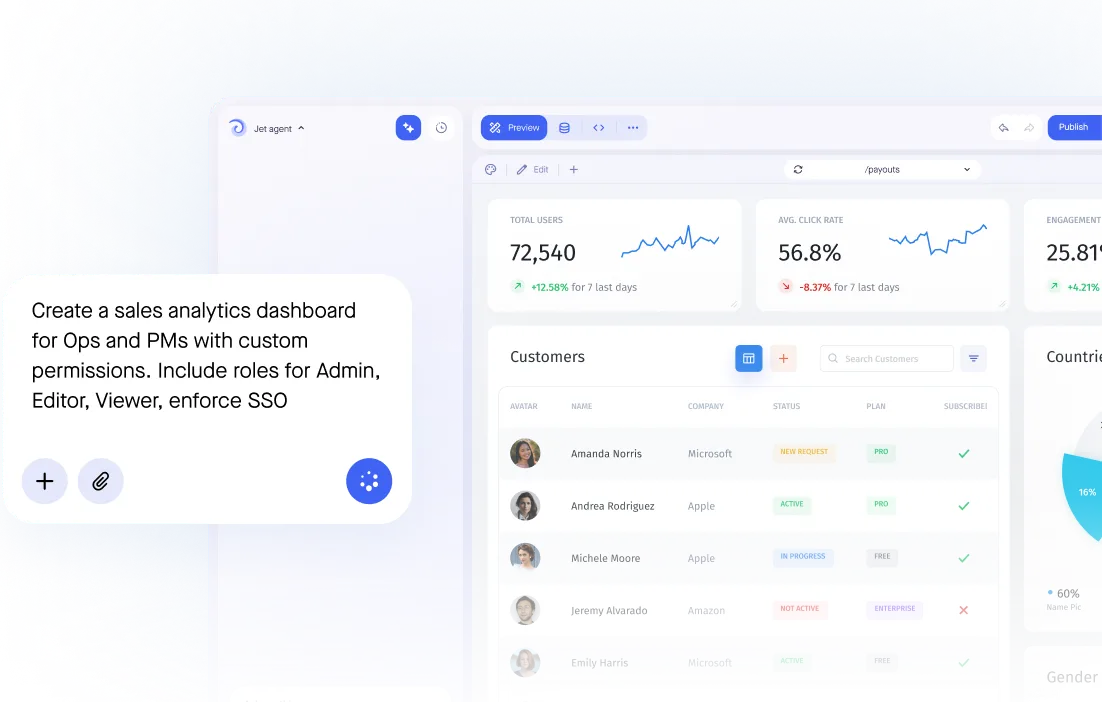
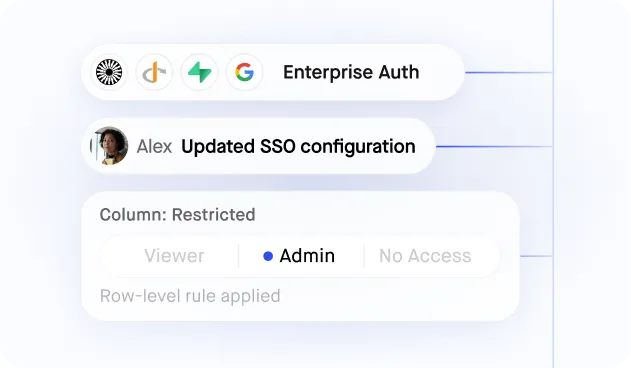
Create separate views and permission sets for warehouse staff (view/update stock levels), ops managers (full CRUD plus reports), and external suppliers (view their own orders only) — all running off the same dataset with zero data duplication.
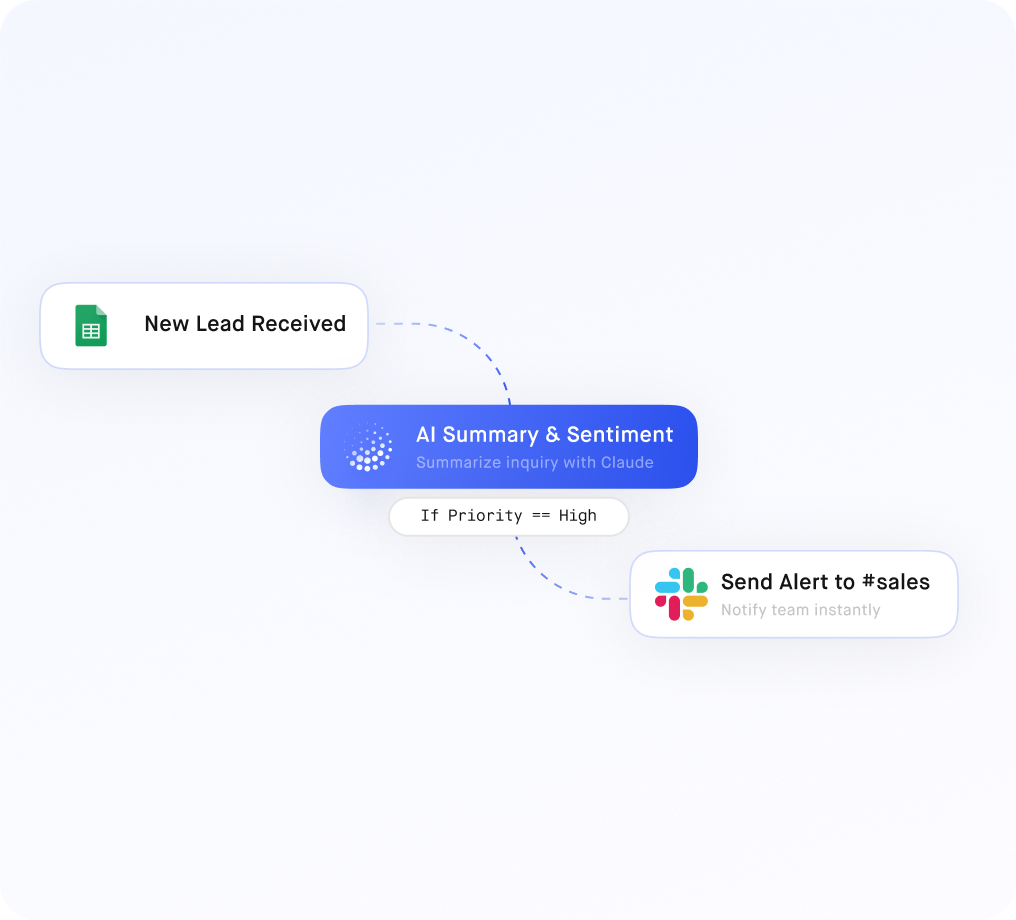
Real-Time Low Stock Alerts and Reorder Triggers
Set threshold-based alerts on any field in your inventory database. When stock falls below the defined level, trigger automated notifications to procurement — directly from your data, without building a separate alerting pipeline.
.jpeg)
SQL-Powered Search and Filtering at Scale
Jet Admin's query builder lets your team filter and search inventory across millions of SKUs using the full power of your SQL database. No limits on catalog size, no slow API calls — just fast, direct database queries with a clean UI.
Similar Use Cases
No items found.






.svg-min.png)























.png)




.png)




.png)





Frequently asked questions
What is hospital inventory software?
Software that tracks clinical supplies across wards, theatres and stores, where each location runs to its own par level and a stockout has consequences a retail stockout does not.
Can each ward hold its own par levels?
Yes. Every location carries its own levels and replenishes against them, while central supply sees consumption across the whole site.
How do we answer a supplier recall?
Lot-level tracking is what makes recall response possible: you can answer which lots are held, where they are, and which were already used — without walking the wards to find out.
Can it cover controlled items?
Access is scoped by role and every movement is logged against a named user. Issuing and approving can be separated so no one person can do both.
Can it be hosted inside the trust network?
Yes, in your own data centre or VPC. For patient-adjacent data this is normally a procurement requirement rather than a preference.