Django Admin Panel
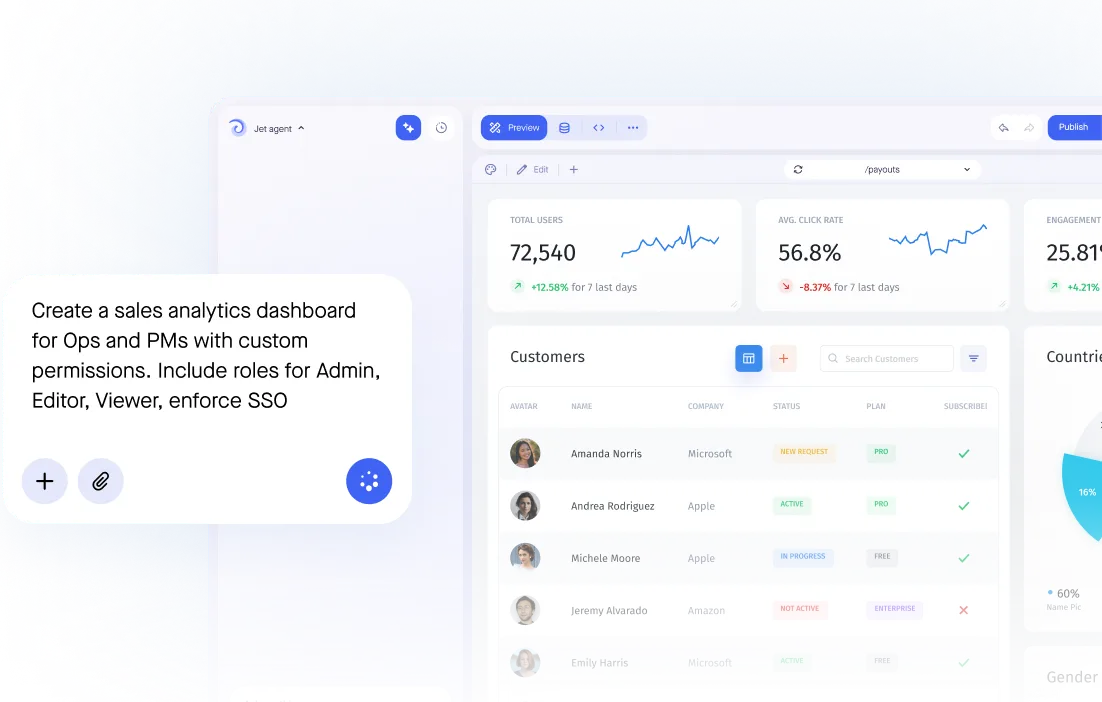
A modern, permission-aware admin for your Django app — richer than the built-in admin, on the same database. Free to start.
Trusted by Some of the World’s Best Product Teams





Why Django teams move beyond the built-in admin
Same database, richer interface. Permissions go past is_staff, non-engineers get a usable UI, and you keep Django as the source of truth.
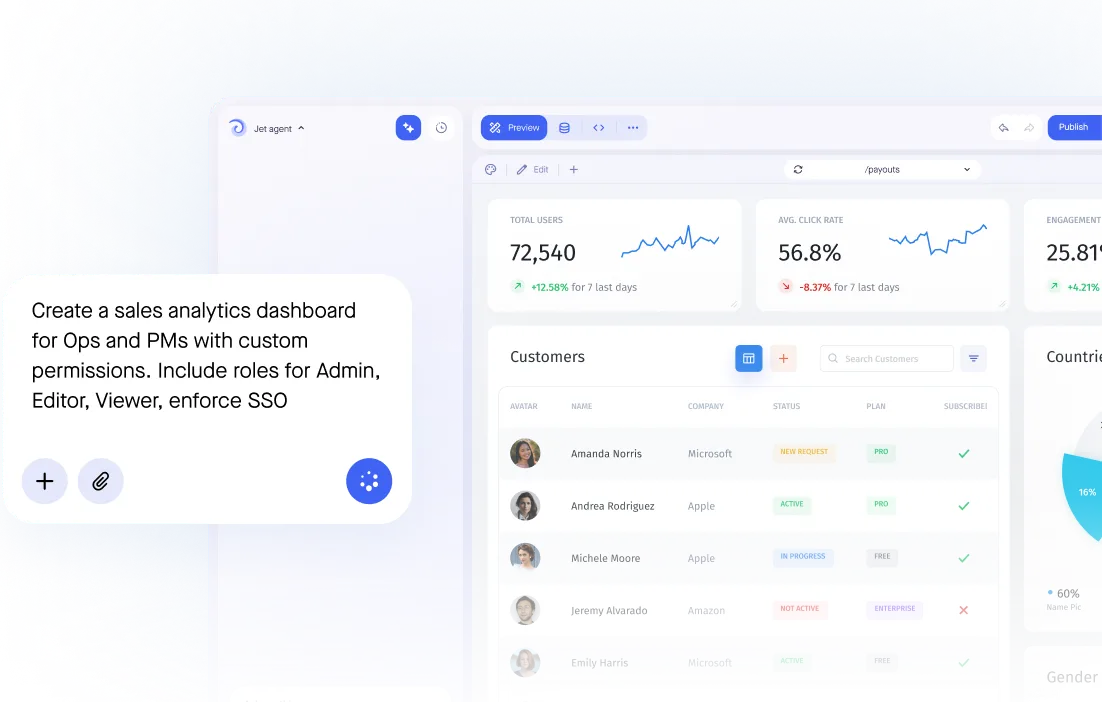

Build secure app fast



More than a CRUD wrapper on your models
.jpeg)
A Better Admin for Your Django Models
.jpeg)
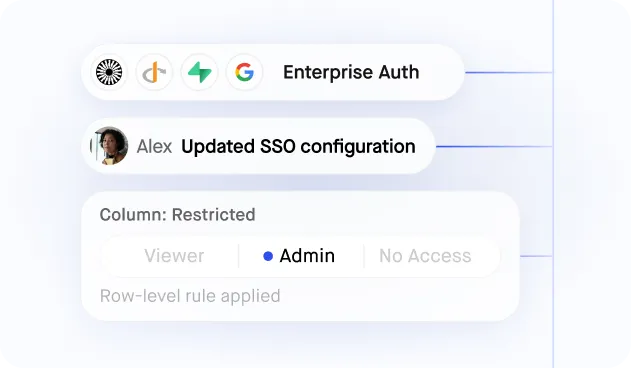
Permissions Beyond is_staff / is_superuser
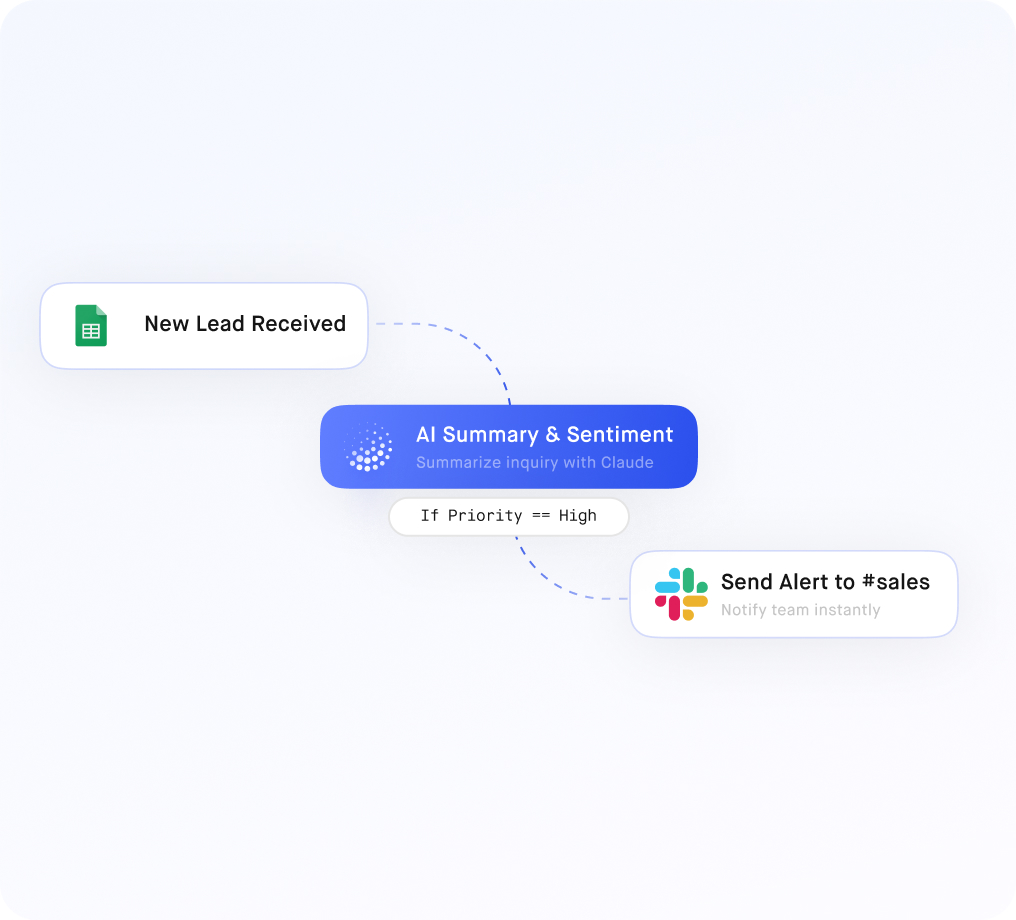
Custom Actions and Workflows
.jpeg)
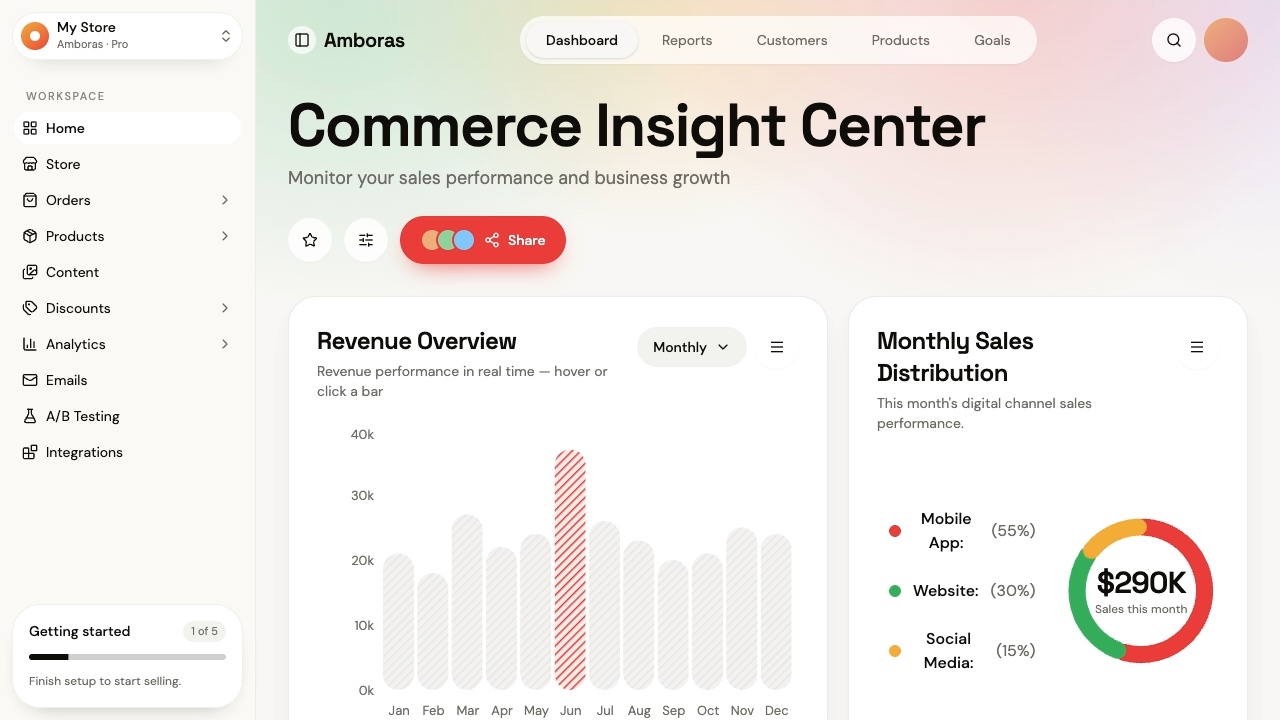
Dashboards and Reporting on Model Data
.jpeg)
No Migrations, No Frontend Code
Similar Use Cases


.svg-min.png)

.png)
















.png)


.png)

























Frequently asked questions
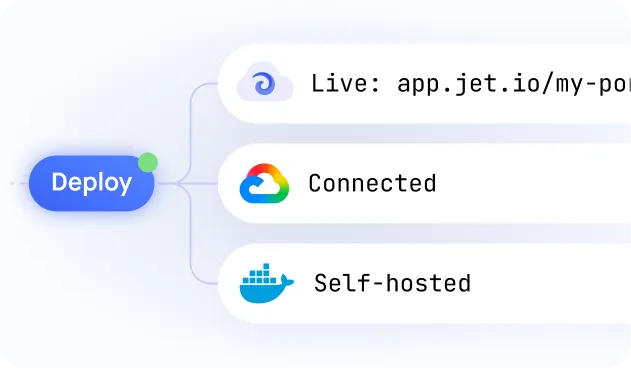
Jet runs on your existing data with enterprise-grade governance from day one, and deploys to Jet Cloud, your own cloud, or fully on-premise — with no per-user fees.
Yes. Add AI agents, search and assistants to your app so your end users can ask questions and take actions in natural language.
Postgres, MySQL, MongoDB, Snowflake, BigQuery, Google Sheets, Airtable, REST APIs and 45+ more — your app runs on live data with no copies or manual syncs.
Yes. Jet is no-code first — describe your app in plain language and refine it visually. Developers can still drop into code when they want full control.
Connect your data source, describe what you need, and Jet generates the app. Then switch between AI and visual editing to adjust content, logic and access.
The core views and actions your team needs — all of which you can generate from a prompt and refine visually in Jet.
A custom business app fits your process exactly instead of forcing you into a rigid SaaS schema — you control the data model, permissions and where it deploys.
It gives your team the exact tool they need for their workflow, built on your existing data instead of a rigid SaaS schema.
A business app gives your team a purpose-built tool — running on your own data, with the exact views, logic and access your workflows need.