Get Started


Calibration Management on the database you already run
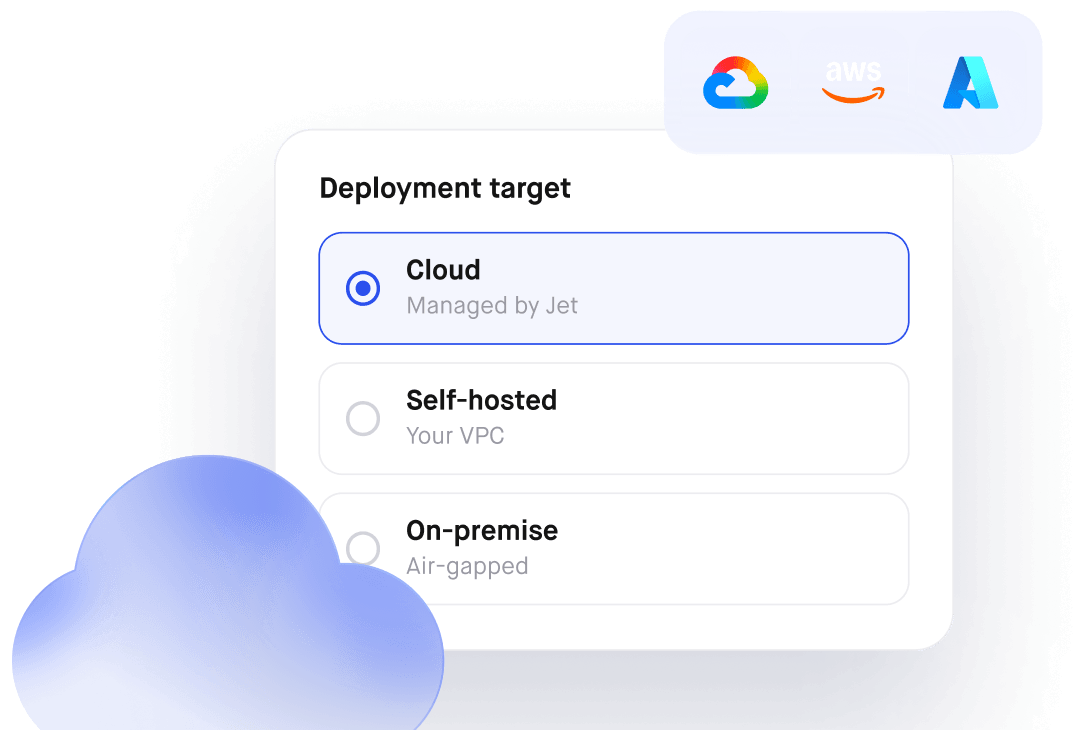
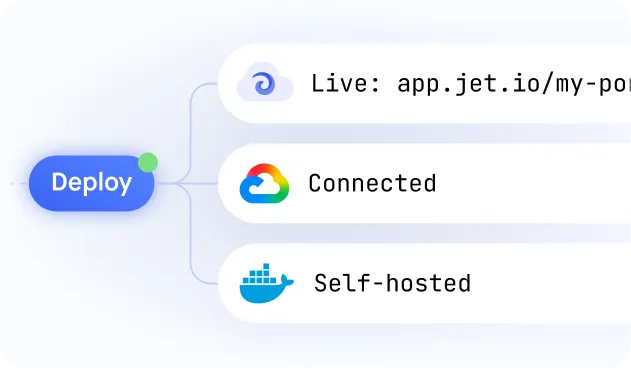
Calibration Management that lets you track assignment, location, condition and service history. Connect your database. Control who sees what. Self-host it.
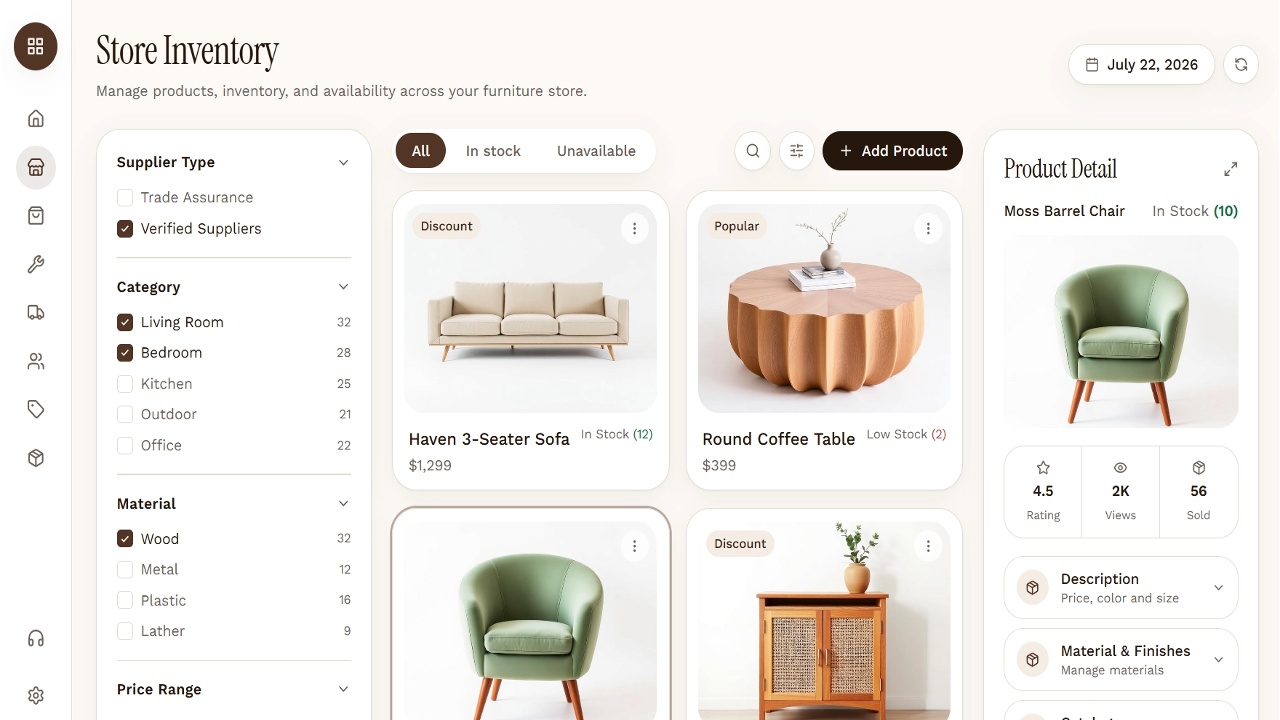
Build exactly what your team needs
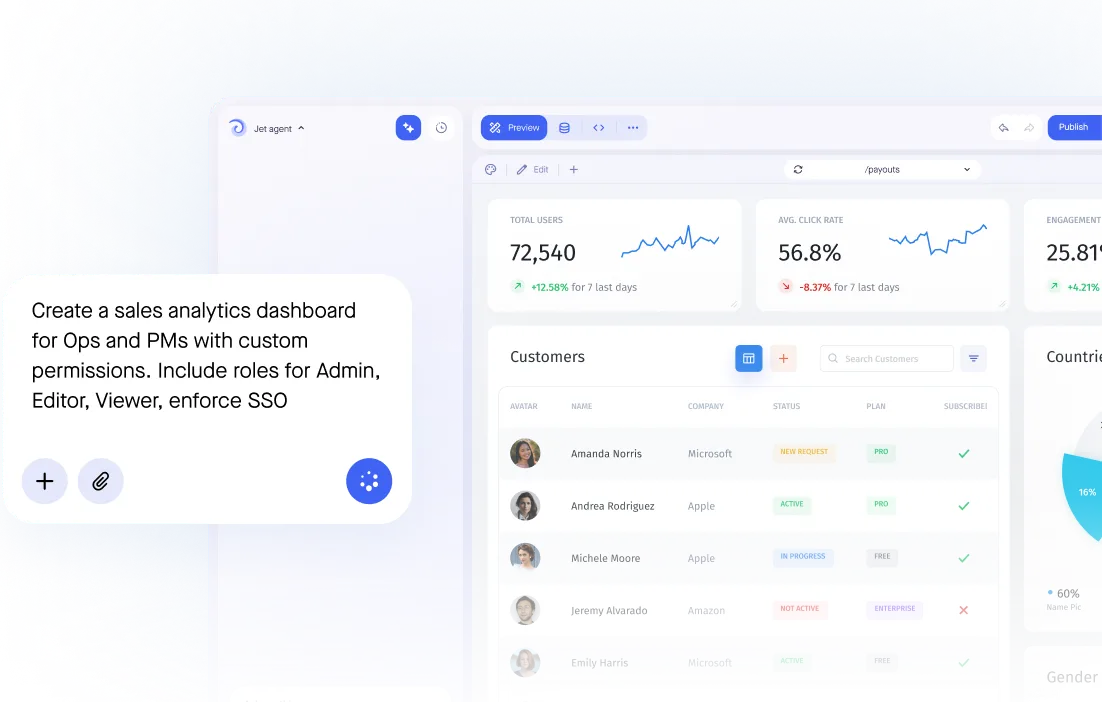
Build secure app fast



Build secure app fast
.jpeg)
Connect to Your Existing Inventory or ERP Database
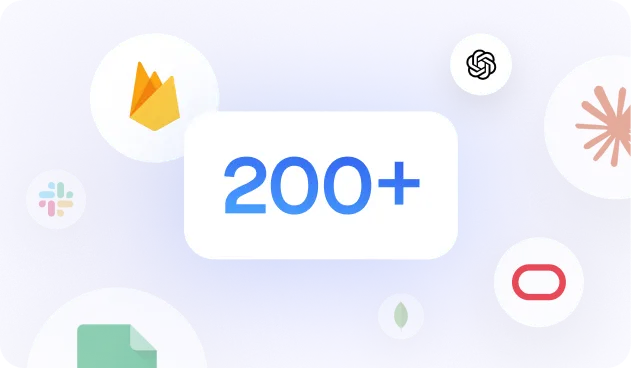
Jet Admin connects directly to Postgres, MySQL, MongoDB, or any REST API — so your inventory app sits on top of the database you already use. No need to re-enter product data, migrate records, or keep two systems in sync.
.jpeg)
Bulk Edit and Mass Update Stock Records
Adjust stock levels, update prices, or change supplier details across dozens of records simultaneously with inline bulk editing — something form-based no-code tools can't match. Jet Admin's table views give your ops team full spreadsheet-like control.
.jpeg)
Granular Roles for Warehouse, Ops, and Suppliers
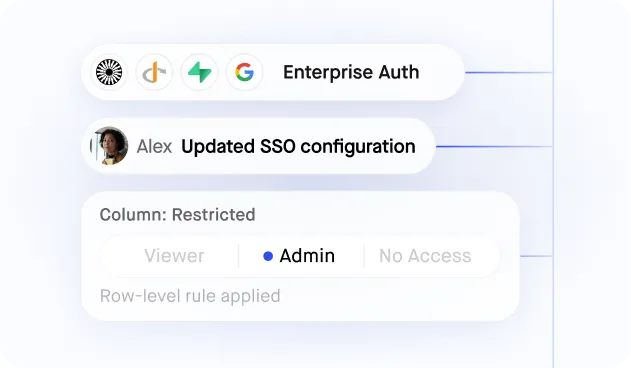
Create separate views and permission sets for warehouse staff (view/update stock levels), ops managers (full CRUD plus reports), and external suppliers (view their own orders only) — all running off the same dataset with zero data duplication.
Real-Time Low Stock Alerts and Reorder Triggers
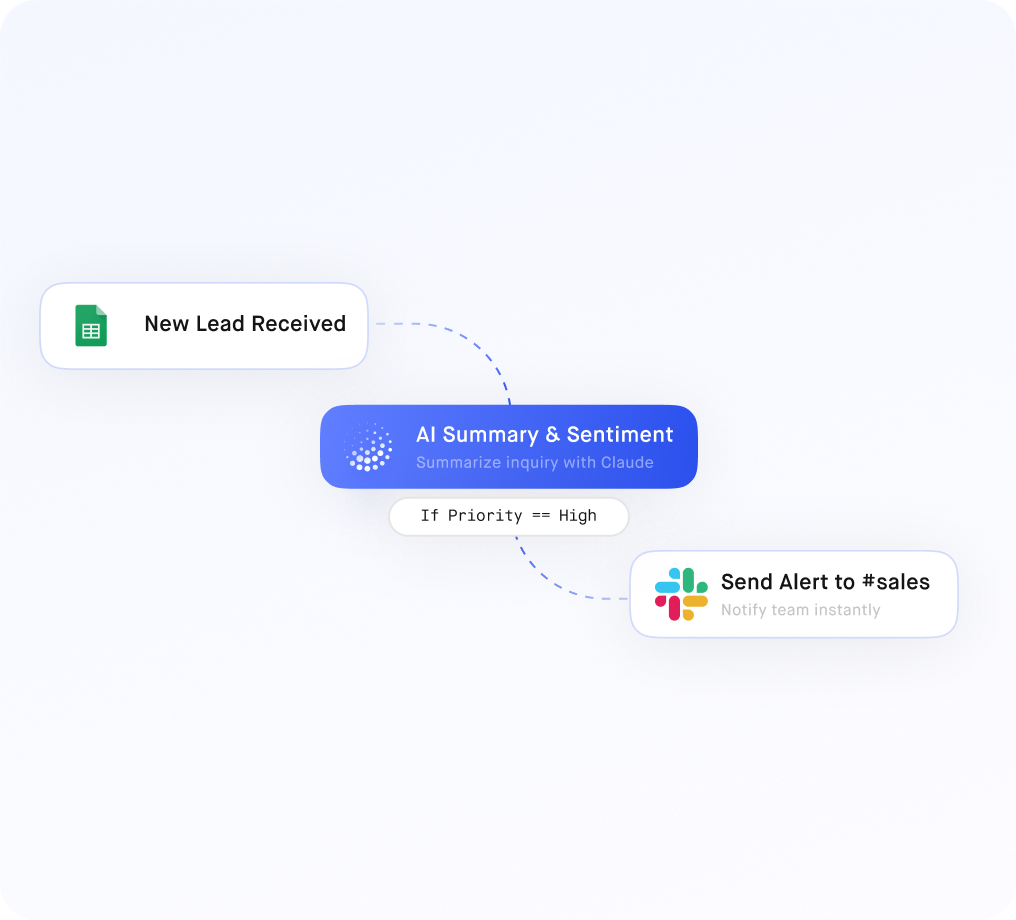
Set threshold-based alerts on any field in your inventory database. When stock falls below the defined level, trigger automated notifications to procurement — directly from your data, without building a separate alerting pipeline.
.jpeg)
SQL-Powered Search and Filtering at Scale
Jet Admin's query builder lets your team filter and search inventory across millions of SKUs using the full power of your SQL database. No limits on catalog size, no slow API calls — just fast, direct database queries with a clean UI.
Similar Use Cases
No items found.





































.png)



.svg-min.png)


.png)





.png)



Frequently asked questions
What is calibration management software?
Software that tracks which instruments are in calibration, when each is next due, and holds the certificate proving it. The due date is what drives everything else.
Does it flag instruments before they go overdue?
Yes. Calibration intervals sit on the instrument and raise a task ahead of the due date, because an instrument that lapses quietly is the expensive case.
What happens when something is found out of tolerance?
This is the part generic tools miss. An out-of-tolerance result casts doubt on everything measured since the last good calibration, so the system needs to show what that instrument touched in between. Usage history against the instrument makes that back-trace possible.
Can we store certificates and traceability?
Yes. Certificates, the standard used and its traceability chain attach to the calibration event rather than sitting in a folder nobody can find during an audit.
Does it suit an ISO 17025 environment?
It holds the records that standard expects — intervals, certificates, traceability and an audit trail — on your own infrastructure if required. Accreditation is still assessed against your process, not the tool.