Airtable CRM
App
Airtable CRM
Overview
An Airtable CRM template is a base with tables for contacts, companies and deals. It is flexible, and it has limits once the CRM is shared widely: every collaborator needs a seat, anyone with access to the base can reach tables you did not mean to share, and clients see an Airtable grid rather than your product.
This template keeps Airtable as the source of truth and puts a CRM app in front of it. Jet Admin reads and writes your base live, so your team can keep working in Airtable while reps, managers and external partners use a pipeline board, contact records and dashboards with their own permissions.
Why build your CRM on Airtable with Jet Admin
Seats add up. People who only need to update deals or view accounts sign in to the app instead of being invited to the base as editors.
Access is all or nothing. Row- and column-level permissions let each rep see only their own deals and hide fields such as margin or internal notes.
Interfaces are hard to share externally. Give partners or resellers a branded portal on your own domain where they register leads and see the status of their deals.
Automations have run limits. Workflows in Jet Admin can trigger when a record changes in your base and chain notifications, approvals and follow-up actions.
Audits need a trail. Changes made through the app are recorded with the user who made them.
Template features
Pipeline board
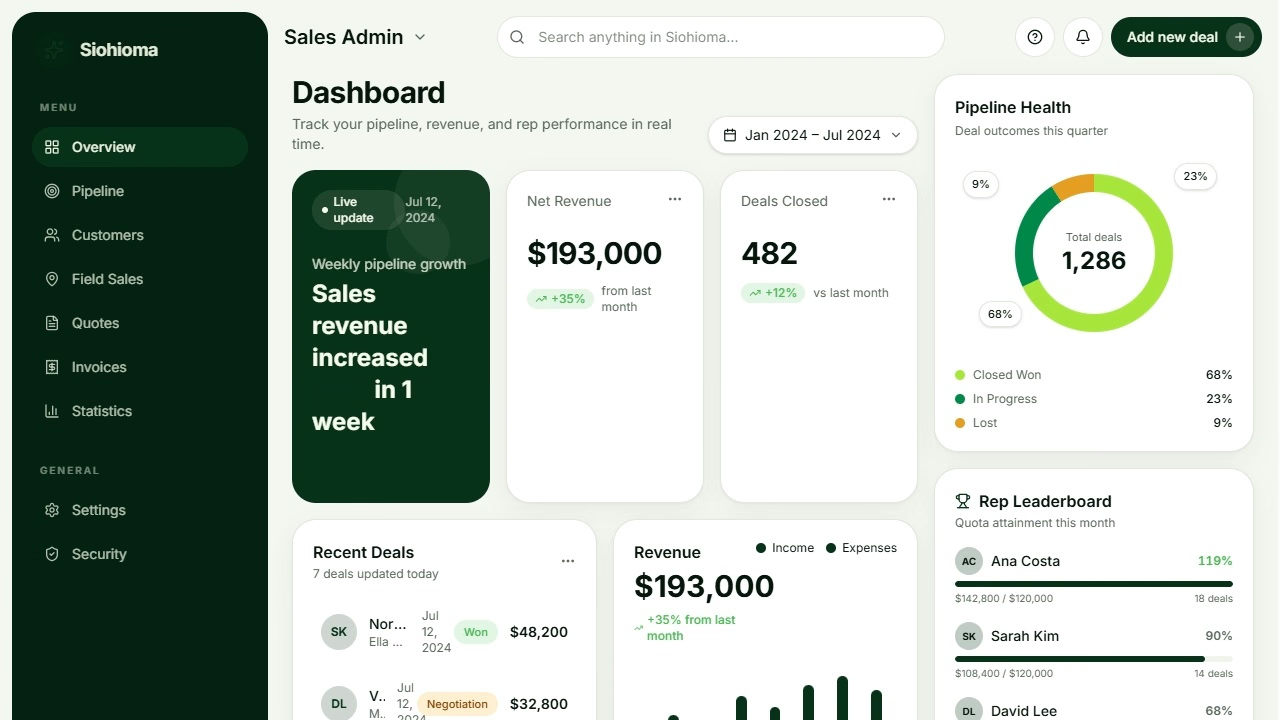
A kanban view of your Airtable deals table with drag-and-drop stage changes written straight back to the base.
Contact and company records
Detail pages that pull together a contact's company, open deals and logged activities from linked Airtable tables.
Activity timeline
Log calls, emails and meetings against deals and contacts so the history lives next to the record.
Sales dashboard
Charts and KPI tiles for pipeline value, stage conversion and rep activity, calculated from your base.
Partner or client portal
Let external users sign in and see only their own leads and deals, without an Airtable seat.
Permissions and audit log
Role-based access down to rows and fields, SSO options and a record of who changed what.
Who is this template for?
- Teams already running their CRM in Airtable who need more control over who can see and edit what.
- Companies working with resellers or referral partners who need a lead-registration portal on top of the same base.
- Growing sales teams where adding every rep as an Airtable editor is becoming expensive.
- Ops teams who want CRM workflows that react to changes in the base without maintaining scripts.
How to set up your Airtable CRM template
Step 1: Connect your Airtable base. Authorize Airtable and select the base that holds your contacts, companies and deals.
Step 2: Map tables and linked records. Point the template at your tables and confirm how deals link to contacts and companies.
Step 3: Configure the pipeline. Choose the field that holds deal stage and set the order of columns on the board.
Step 4: Set permissions. Create roles for reps, managers and external partners, and restrict rows and fields per role.
Step 5: Add workflows. Turn on notifications for new leads or stale deals and connect Slack or email.
Step 6: Publish. Share the app with your team or publish a portal for partners on your own domain.
Frequently asked questions
Does the data stay in Airtable?
Yes. Jet Admin reads and writes your base live. There is no sync job and no second copy of the data.
Do app users need Airtable seats?
No. People who use the app sign in to Jet Admin. Only people who work directly in the base need Airtable access.
Is the template free?
You can start from the template for free and customize it in Jet Admin.
Can I give clients or partners access?
Yes. Publish a portal where each external user sees only their own records, under your branding and domain.
Can I move off Airtable later?
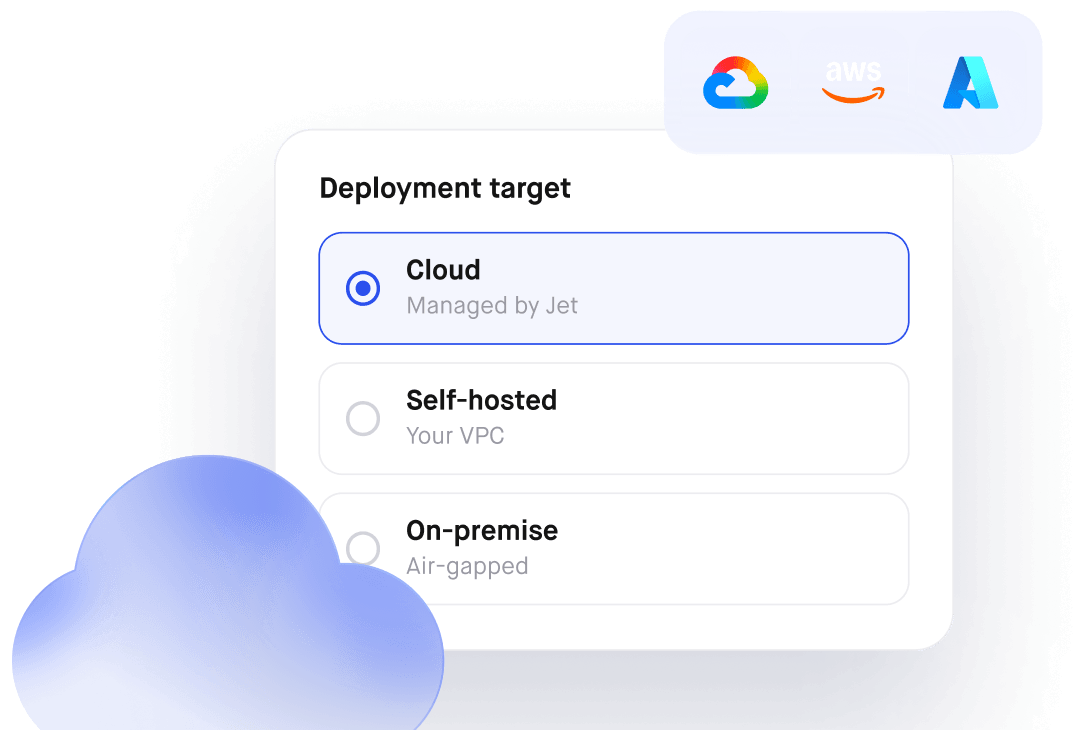
Yes. Connect a database such as PostgreSQL and point the app at it. The screens and permissions carry over.
Data sources

.svg)



Use Cases
Categories
Features
Similar templates




Connect & sync your data with 30+ data sourse’s


Build frontend Apps 10x faster


Frequently asked questions