
Denis Kildishev

391 posts
391 posts
Twenty-two concrete workflow automation examples by team, each with its trigger, the steps it runs and what it saves.

Six sales dashboard templates with the metrics and charts each one needs, and how to build them on live CRM and database data instead of weekly exports.
An AI governance framework turns principles into owners, risk tiers and enforced controls. Here are its parts, the standards to map to and seven steps to implement it.
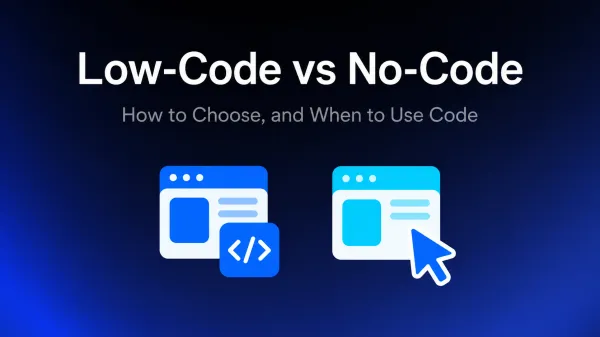
No-code is for business users, low-code is for developers who want to skip boilerplate. Here is how they differ, where each stops and when to reach for code.
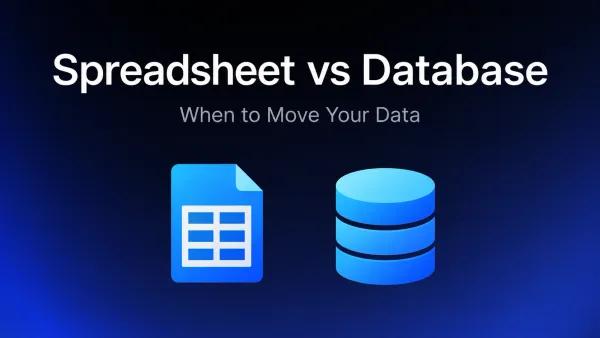
A spreadsheet isn't a bad database. It's not a database at all. Here are the six signals that yours has quietly become one — and what each costs you if you ignore it.
Shadow AI is AI used at work without IT's knowledge. Here are the common forms, the real risks and a practical way to govern it without a ban that nobody follows.
Zero trust says never trust, always verify. For AI agents that means every tool call is checked, scoped and logged. Here is a reference architecture that limits risk without slowing agents down.
No-code automations move money, data and permissions. Here are the risks they introduce and the controls that keep them safe, with a checklist to review any workflow.
AI agents need roles just like people, but scoped tighter. Here is a practical RBAC framework for agents, with an example role matrix and the controls that go with it.
Editing a live automation is how approvals get skipped and invoices get sent twice. Here is how to version, test and publish workflows safely, with a release checklist.